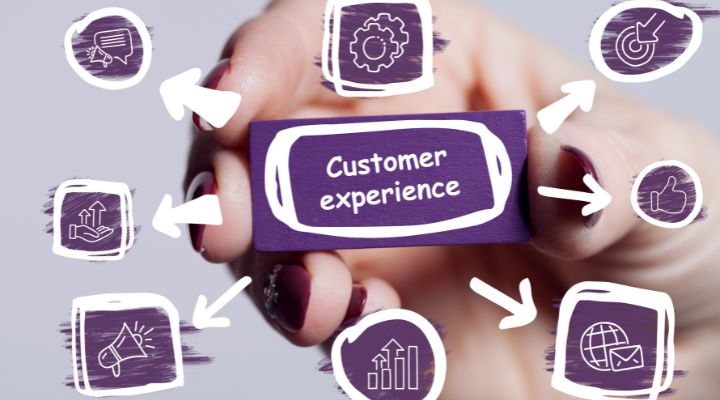
In the ever-evolving landscape of digital marketing, a robust customer engagement strategy is the lifeblood of success. With technology advancing at an unprecedented rate, it’s crucial for businesses to ensure that their customer engagement strategies are not just relevant for today, but also future-ready. In this article, we’ll explore the key elements of a future-ready customer engagement strategy in the realm of digital marketing.
The Changing Dynamics of Customer Engagement
The digital age has completely transformed the way businesses engage with their customers. Traditional methods of engagement have given way to digital channels, and customer expectations have skyrocketed. To keep pace, your customer engagement strategy must evolve too.
Understanding the Digital Shift
- Multi-Channel Approach: In today’s digital world, customers interact with brands across various platforms such as social media, email, websites, and mobile apps. Your strategy needs to encompass these channels.
- Personalization: Customers expect personalized experiences. Leveraging data analytics and AI can help you tailor your interactions to individual preferences.
- Real-Time Engagement: Prompt responses and real-time engagement are crucial. Customers demand immediate attention, whether it’s for inquiries or support.
Building a Future-Ready Customer Engagement Strategy
Now, let’s delve into the steps you should take to ensure your customer engagement strategy is future-ready.
1. Embrace Automation
In the age of AI and chatbots, automating routine tasks and responses can free up your team for more complex customer interactions. Implementing chatbots on your website, for instance, can provide instant responses to common queries.
2. Data-Driven Insights
Data is a goldmine for understanding customer behavior. Invest in robust analytics tools to gather insights into customer preferences, purchase patterns, and pain points. This data can inform your strategy and drive decision-making.
3. Personalization at Scale
Creating personalized experiences doesn’t mean sacrificing efficiency. Utilize customer segmentation to send targeted messages and offers. Automation tools can help you do this at scale.
4. Omni-Channel Consistency
Maintaining a consistent brand message and experience across all digital channels is paramount. Ensure that your website, social media profiles, and email communications align with your brand’s values and voice.
5. Mobile Optimization
With the majority of internet traffic coming from mobile devices, it’s imperative that your customer engagement strategy is mobile-friendly. Responsive web design and mobile apps should be part of your strategy.
Nurturing Customer Relationships
Building strong and lasting relationships with customers is the ultimate goal of any engagement strategy.
1. Active Listening
Listen to your customers across all channels. Take their feedback seriously and use it to improve your products or services.
2. Customer Support Excellence
A responsive and efficient customer support system can turn dissatisfied customers into loyal advocates. Invest in training and technology to enhance your support capabilities.
3. Loyalty Programs
Reward loyal customers. Implementing a well-structured loyalty program can keep customers engaged and encourage repeat business.
Staying Agile and Adaptable
The digital landscape is in a constant state of flux. To remain future-ready, your customer engagement strategy must be agile and adaptable.
1. Regular Strategy Review
Frequently assess the effectiveness of your strategy. Analyze the data and adjust your approach based on changing customer behaviors and emerging technologies.
2. Experimentation
Don’t be afraid to try new approaches. Experimentation can lead to innovative strategies that set you apart from the competition.
3. Employee Training
Your team should be well-versed in the latest digital marketing tools and techniques. Regular training keeps them equipped to implement your strategy effectively.
Conclusion
In the fast-paced world of digital marketing, a future-ready customer engagement strategy is not just an advantage; it’s a necessity. By embracing automation, harnessing data-driven insights, and prioritizing personalization, you can ensure that your strategy is not only relevant today but also prepared for the challenges and opportunities of tomorrow. Remember, the key lies in staying agile and continuously evolving to meet the ever-changing demands of your audience.